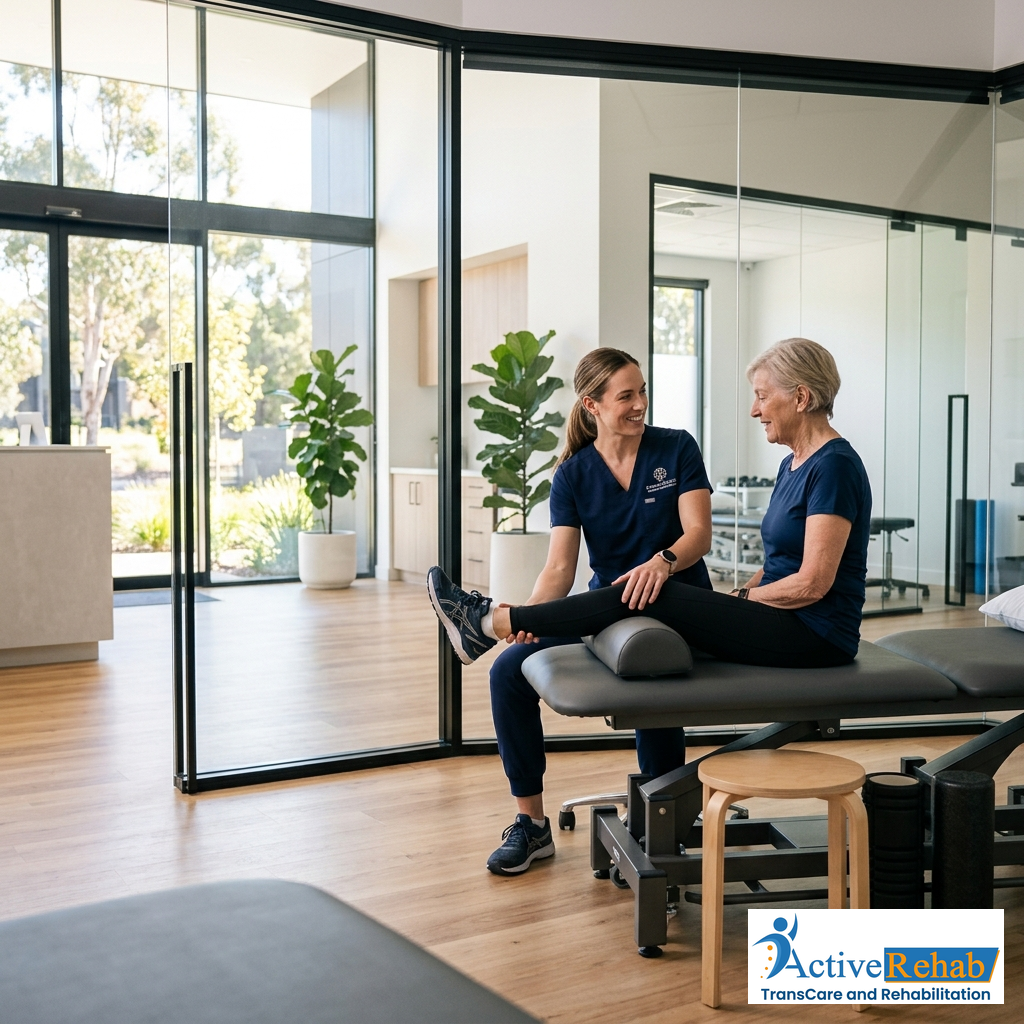
Undergoing Total Knee Replacement (TKR) or arthroscopic surgery is a monumental step toward pain-free mobility. However, the success of the surgery is heavily determined by what happens next—your post-operative orthopedic care phase.
1. Immediate and Gradual Mobilization
Resting too long after surgery increases the risk of joint stiffness and deep vein thrombosis (DVT). Under professional guidance, gentle knee flexion and ankle pumps should start within hours of waking up. Gradually transitioning to weight-bearing exercises ensures that the muscles surrounding the knee rebuild their strength.
2. Professional Pain Management
Adequate pain control is vital for successful rehabilitation. If you are in too much pain, you won't be able to participate effectively in physiotherapy. Our step-down clinical team monitors your medication schedules and utilizes advanced ice therapy and compression techniques to control localized inflammation.
3. Dedicated Physical Therapy
Focused exercise regimens targeting the quadriceps, hamstrings, and calves are non-negotiable. An expert physiotherapist ensures that you achieve optimal range of motion (ROM) milestones safely, avoiding compensatory gaits that can damage other joints.
4. Incision Care and Infection Prevention
Keeping the wound clean and dry is critical. In a dedicated step-down facility, trained nurses monitor the incision line 24/7 for any signs of warmth, redness, or discharge, ensuring perfect healing before staples or sutures are removed.
5. Home-Readiness and Transition Safety
Before returning home, you must learn how to navigate stairs, transfer safely from chairs to beds, and use assistive devices (walkers or canes). Step-down care acts as the perfect simulation environment, helping you build the confidence required for independent living.